

Education, Health / Wellness, Kids, Mental health, Mindfulness

What’s so Great about Mindfulness, Anyways?

Miss T, here!

You might be thinkingโ€ฆ 

โ€œWhat’s so great about Mindfulness, anyways?โ€

Wellโ€ฆ I canโ€™t give you one simple answer. Because the practice of mindfulness is simple and complex all at once – weโ€™ll save the complex stuff for another post!

Mindfulness is our natural state of being…

โ€ฆbefore the world was filled with
constant distractions and everyday stressors. 

When we focus on the present moment and are mindful in everything we do, itโ€™s like we are connecting back to our roots. Our natural state of being.

Back in the times of our ancestors, our โ€˜fight/flight/freezeโ€™ mode of our Autonomic Nervous System (ANS) was only activated when we were in serious danger. Dangers like being hunted or killed by larger animals.

And even then, when our โ€˜fight/flight/freezeโ€™ (called our sympathetic nervous system) was triggered, we were still PRESENT. Presently focusing on removing ourselves from danger.Once the danger was removed, we were easily able to switch modes back into our parasympathetic nervous system, where our bodies and minds could โ€˜rest and relax.โ€™

Nowadays, these stress triggers are everywhere. We stress all day long. About our kids, students or families. About our jobs or the pay we get. We stress over not making it to work on time while sitting in rush hour traffic. Or about how we will do on an exam. 

And now with COVID we have additional stressors! We stress about sickness and the health of our friends and family. We stress about when the next shut down might happen. Or if weโ€™ll end up losing our jobs. Or worse.. Our lives or the lives of someone we love. 

Sometimes, weโ€™ll even stress about all the bad things that could possibly happen and things that havenโ€™t even come true yet (and most likely, won’t ever come true).

In this day and age, stressors are EVERYWHERE.

But there are 2 crucial differences about these stressors than what weโ€™ve experienced in the past:

#1

Our sympathetic nervous system is basically running on overdrive!
When we are regularly stressed, our body is living in this constant state of fight, flight or freeze. There is no time for our parasympathetic system to kick in (our rest & relax mode) and so our body is unable to conserve the energy it needs to function properly. Our body systems are working hard to get us out of this perceived danger, which never really seems to go awayโ€ฆ This can have serious detrimental effects for us in the long term.

#2

The majority of these new stress triggers arenโ€™t even happening in the present moment!
They are things that are going on in our heads!! Like I said earlier, we give too much attention to the things that have not yet happened, and may not even happen. Yes, some of the things we think about are important to consider in terms of planning our lives, however, when we are non-stop thinking about our stress, it completely takes us out of the present moment. We are stuck living within our heads. Not mindful at all. And not our natural state of being.

Now, the wonderful thing about understanding all of this is that it makes us aware. Aware of the problem, so we can also be aware of the solution. 

And in returning back to our natural state of being- Living and breathing mindfulness, we can reverse some of the long term effects that stress and anxiety can have on our minds and our bodies. We can extend our lives and improve our health!

Of course, itโ€™s never too late to practice mindfulness!

But, I am an avid promoter of the
โ€œget โ€˜em started youngโ€ philosophy!

Why, you might ask?

Well, for one, kids are SPONGES! They are the best kind of learners because they hold onto new information quite easily. Especially if that information is engaging! And even more so, if they see the adults in their lives MODEL it well!

And second, even though itโ€™s never too late for anyone to practice mindfulness and improve their health, when we teach mindfulness to kids, we are better able to set them up for a successful path in life. We can teach them strategies BEFORE stressful events happen and they will better know how to deal with them when the time comes.

Ever heard of the mastery rule of 10,000 hours?

Well, Michael Gladwell speaks about it in his book โ€œOutliers.โ€ He states that it takes 10,000 hours of intensive practice to achieve a level of mastery in a particular skill.
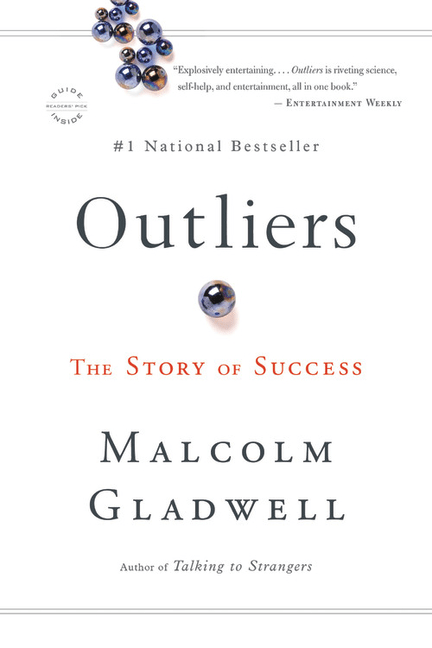
In the case of mindfulness, bringing awareness and teaching this skill to kids at a younger age, allows them to achieve this level of mastery even before they become adults. 

This is why I am so โ€˜gung-hoโ€™ about practicing mindfulness to kids. By practicing mindfulness throughout their younger years, living in the present moment becomes a natural part of their subconscious. They develop mastery level to this skill before their teen and adult years – some of the most stressful years of their lives.

Being a master at mindfulness before they get into those stressful years, will allow them to utilize strategies for dealing with stress in the future.

We are setting them up for success in a terribly stressful world.

Imagine a world where we can all get out of our own heads and into the present moment?

A world where we donโ€™t have to be constantly living in fight, flight or freeze.

I believe THAT world begins with our kids.

Stay tuned for more posts on how mindfulness works and how it improves, not only our thoughts, but our overall health!

With love,

Miss T.


Education, Health / Wellness, Kids, Mental health, Mindfulness, Yoga

How to Effortlessly Schedule Mindfulness into YOUR Day

Miss T, here!

In my last post, I explained, plain and simply, what mindfulness is.

Essentially, it is a state of being consciously aware of somethingโ€ฆ really anything! Anything that draws our focus to one particular thing in the present moment. 

This could mean bringing focus to our breath or our surroundings. Using our 5 senses to analyze the things around us. Grounding us here, in the now. 

Once we become better at practicing mindfulness, our subconscious will allow us to automatically become more present throughout our day. Until then, itโ€™s important for us on a daily basis to deliberately schedule mindful moments in.

To train our subconscious mind.

These moments could be big or small, although I recommend beginning anything by starting small. Making it more manageable to do will improve your success and follow through rate. Plus, once you are confident in your first baby step, you can take a few bigger steps until you eventually reach your ultimate goal.

Kaizen is a Japanese word that means
โ€œChange for the betterโ€ or โ€œContinuous Improvement.โ€

It is a term that involves the continual process of manageable and incremental steps in order to see improvement. 

We can use the kaizen philosophy to better ourselves (and the kiddos in our lives) at being mindful. By taking small, intentional steps to reach our fullest potential. We can adjust our steps as needed. This guarantees success!

Now, there are SO many ways and opportunities to schedule mindfulness into our days!

If you want to learn more about ‘Kaizen’, I highly recommend you check out this book!

Whether you are practicing mindfulness for yourself, or for your kiddos, or perhaps, you have an entire classroom of kids, it is EASY (and hopefully I’ve convinced you it’s possible) to find time for mindfulness. 

Tips on HOW to Schedule Mindfulness into your Day:

  1. Schedule specific times on a calendar. When you write things down, you are more likely to make it happen! It doesnโ€™t matter if it means only deep breathing looking out the window for 30 seconds-1 minute each day. Itโ€™s still the start of something. The key is to make it INTENTIONAL. Set specific times each day to make time for YOU!

  2. Try having a morning and evening practice. Once again, even if you can only dedicate a minute in the morning and a minute in the evening, that’s okay! Starting the day with mindfulness can set you up for success and ending it off with mindfulness helps you relax for a more peaceful evening or sleep.

  3. Take deep breaths before beginning tasks. An easy way to sneak mindfulness in the day, whether in your personal life or in the classroom, is to begin each transition (of whatever it is you’re doing), with a deep belly breath or 2. Getting in your car to run an errand, before starting work, transitioning from one task to another (in a classroom setting, switching subjects), coming home from work or school are all great times to sneak in a few deep breaths. Deep breaths are powerful because they calm our brains and allow us to reconnect with our body and breath.

  4. Positive affirmations and intentions: Take a quick moment in your morning to set an intention or speak out some positive affirmations for your day ahead. Could be as quick as taking a minute to say things like โ€œI intend to be filled with gratitude today,โ€ โ€œI am happy and healthy,โ€ โ€œI will persevere today!โ€ Really feel the power behind your statement as you make it. This could begin as a quick moment in the morning, and grow to the point where you are stating affirmations randomly throughout your day, maybe even setting intentions at night for how youโ€™d like to feel the next morning! 

  5. Express your gratitude daily! I really do believe that gratitude is the most powerful form of self-medication! You get the most โ€œbang for your buckโ€ with adding in the practice of gratitude. Expressing gratitude on a consistent basis really does make us happier and healthier humans. I could go on and on about the power of gratitude, but there will be more time for that in another postโ€ฆ ๐Ÿ˜› 

Here are some other quick & easy mindfulness practice ideas:

  • Going for a walk in nature
  • Thinking of 3 things to be grateful for each morning or night
  • Taking a minute to do a quick body scan and listen to your body
  • Mindful eating
  • Practice active listening
  • Pausing for a few deep breaths
  • Focus on your 5 senses at any point in your day
  • Mindful mandala colouring
  • Read a book in a quiet spot
  • Journalling
  • Stretching OR Yoga

“Great things are done by a series of small things brought together”

Vincent Van Gogh
Education, Health / Wellness, Kids, Mental health, Mindfulness

But… What is Mindfulness?

Welcome!

Miss T, here!

If youโ€™ve been following my journey, you can probably already tell that I have a passion for promoting health & wellness through MINDFULNESS!

But… WHAT IS MINDFULNESS?

Chances are, if you stumbled on this blog, you have some sort of idea what mindfulness entails. But Iโ€™m going to simplify it for you! Because there are many interpretations of what mindfulness is and isnโ€™t.

If we look up the definition of Mindfulness it notes:

โ€œMindfulness is the state of being consciously aware of somethingโ€

And quite literally, anything! It is focusing on one particular thing, whether that’s our breath or a part of our surroundings. Focusing on that one thing brings us into the present moment.

Yes, we can schedule certain mindfulness practices into our day, but we can also live each moment with a mindfulness mind set. Completing our daily tasks and going through daily events, mindfully!

We can eat mindfully by eliminating distractions. That means no watching TV or scrolling through our phones while we are trying to eat. Focusing solely on our food and enjoying it with all 5 of our senses. 

We can go for a walk or a drive mindfully! By tuning out any conversations and focusing on the sights and sounds around you! Even the smells, if you are outside in nature.

We can even have mindful conversations. Putting our phones away, turning off music, and focusing solely on our heartfelt conversation. Active listening is a wonderful way to have a mindful conversation.

We can even do our work with mindfulness in mind. By breaking down our day and focusing on one aspect of the day at a time. Being fully present in whatever your task is. 

Are you a Multi-Tasker? 

Multitasking is not a mindful activity. Our minds are constantly flipping between tasks and we are most definitely unable to focus our attention on one item! Not to mention, multi-tasking is not productive (unless you are of course the 1% exception to this rule or a computer), often taking a lot longer to complete all of your to-doโ€™s and getting them done without paying attention to the details.

Multi-tasking tends to lead us to our MONKEY MIND.

โ€œMonkey mindโ€ is a buddhist term that refers to being unsettled, distracted, restless, even confused. It is the OPPOSITE of true mindfulness.

Our goal is to calm and settle our monkey mind in order to live truly mindful lives. 

So yes, mindfulness can be practiced at any time throughout your day. You can practice it anywhere, and with just about any activity (unless youโ€™re combining activities, of course)! 

The key is AWARENESS! Being aware of your thoughts and your monkey mind. Being able to pause and say:

โ€œOkay, Iโ€™m thinking about the past or future right now, when I should really be focused on the present.โ€

Awareness can be challenging, but it can also be TRAINED. You can get better at becoming more self-aware. All it takes is a little bit of practice and some deliberate scheduling of mindfulness into your day.

I highly recommend training your awareness by purposefully adding mindful moments into your day, whether that is with mindful breathing, mindful eating, practicing gratitude, yoga, etc. The important thing is to find what works best for you.

By intently adding it into your day, you are settling your monkey mind, and training your brain to think in the present moment, all the time!

Read my follow up post for more ideas on HOW to schedule mindfulness into your day!

One of my FAVOURITE ways of being mindful is by going on hikes in the mountains! Living in Alberta, Canada, I am grateful to have access to the Rocky Mountains, where I regularity “escape” to.

With love & gratitude,
Miss T.